Where our experience with vacant houses in Suffolk County helps
A vacant house rarely arrives with one problem. There is usually a policy that may have lapsed, a violation nobody knew about, a winter of unheated pipes, and a lawn Middle Island has started to notice.
We take all of that on. Open violations transfer to us and we resolve them. We buy the vacant house with the contents still inside. And we tell you what we can see about the condition rather than quietly pricing it in, because an owner who has not been inside the house for a year deserves to know what is happening to it.
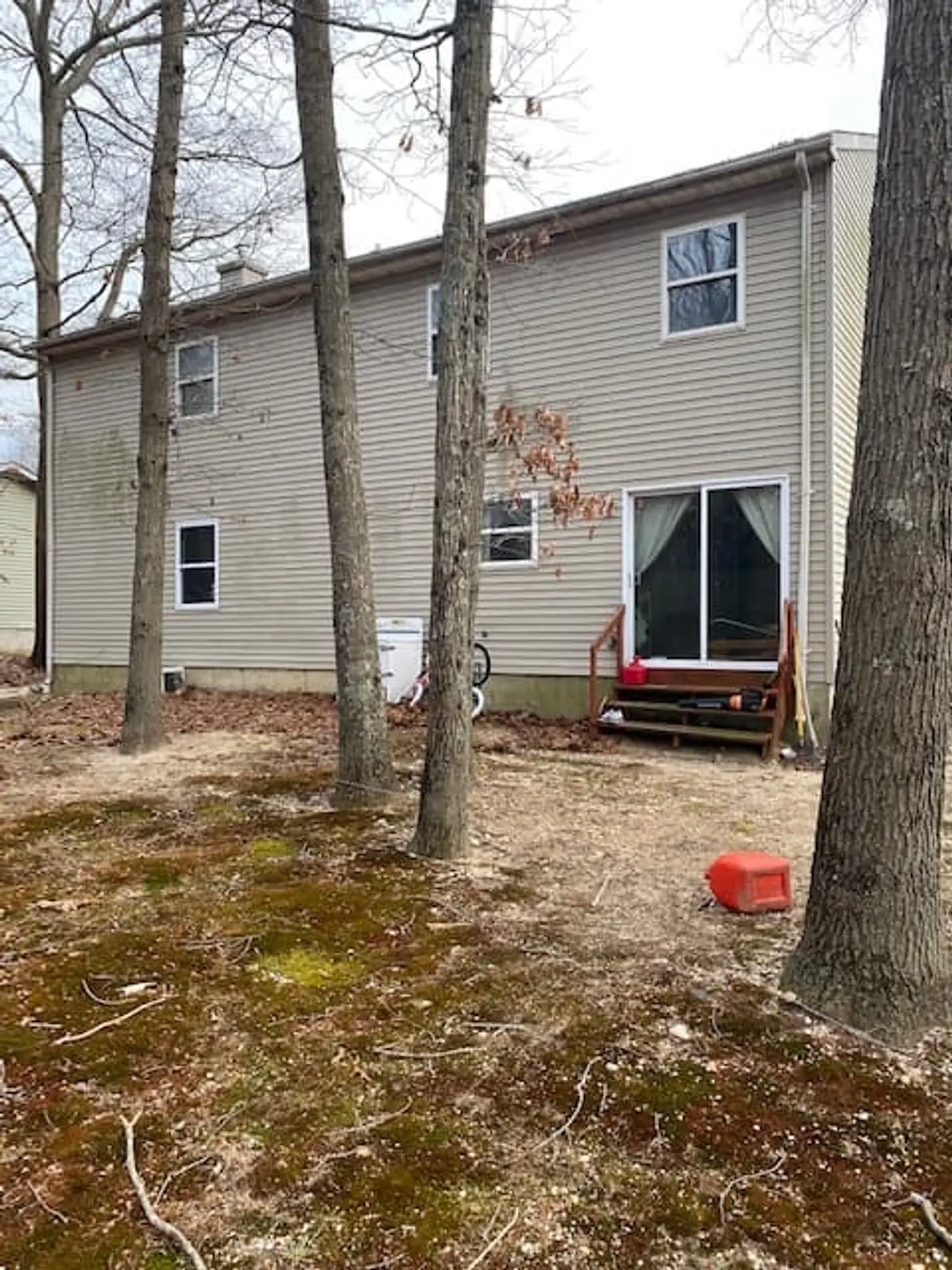
The carrying cost nobody adds up
The reason a vacant house tends to stay that way is that the cost of keeping it arrives in small pieces. A tax bill here, a premium increase there, a plumber in February.
Added together, a year of holding a vacant Middle Island property is frequently worth more than the difference people are holding out for on price. That is the calculation worth running before you decide to wait another season.
What this looks like in Middle Island specifically
Middle Island is roughly 10,546 people in Suffolk County, ZIP 11953, and the housing stock is mostly ranch, hi-ranch, colonial. Around Middle Country Road and Artist Lake, most of it is old enough that the mechanicals are on their second or third life. We know which of these streets take water, where the older systems fail first, and what the Longwood Central School District does to a resale price.
The median is up 6.02% year over year as of 2026-05. A firming market gives you a little room for error on price, which is worth more than it sounds when the house is not in showable condition. At a $440,000 median, Middle Island is a market where buyers expect to do some work. That helps a seller with a dated house and hurts one with a genuinely broken one, because the pool that will take on a project is not the same pool that will take on a gut. The median house here goes under contract in about 37 days, which is quick for Long Island. It is also a figure that only applies to property in showable condition.
What goes wrong in a vacant house
What owners underestimate about a vacant property is how quietly it goes wrong. An occupied house tells somebody the moment the heat fails. A vacant house says nothing for weeks.
So the damage compounds: a slow leak becomes a ceiling, a ceiling becomes mold, and by spring the repair is many times what it would have been in November. We have bought plenty of Middle Island houses at each stage of that and we are not put off by any of them.
We buy the vacant house with the contents inside
A great many vacant houses we buy in Middle Island still hold everything the last occupant owned. That is normal and it changes nothing about our number.
You do not clean the vacant house, you do not stage it, and you do not pay anyone to empty it. We handle the clearing after closing, at our expense, which for most owners removes the single most dreaded task on the list.
What you do not pay when you sell a vacant house
Each of the following comes with a retail listing of a vacant house, and none of it comes with ours.
- Agent commission
- $22,000 at 5% of the Middle Island median none
- Seller closing costs
- About $8,800 on a $440,000 sale. We can cover these. none
- Repairs to make it listable
- Whatever it takes to make it listable, paid in advance none
- Cleanout and removal
- Per truckload, before anyone views it none
- Carrying costs while it waits
- Taxes, insurance and utilities across the 82 to 97 days it takes to find a buyer and then wait on their lender none
Insuring a vacant Middle Island property
This is the one that costs people real money. A standard homeowner policy commonly restricts or voids coverage once a property has been unoccupied for a stretch, often somewhere around thirty to sixty days depending on the carrier. Owners rarely read that clause until after something has happened.
Call your carrier, say plainly that the house is vacant, and ask what is still covered and what they need to keep it in force. Vacant property policies exist and cost more, but a burst pipe in an uninsured empty house costs considerably more than the premium.
Code enforcement and the vacant house
Grass, mail piling up, and a house that visibly nobody is attending to. In Middle Island that draws code enforcement eventually, and open violations follow the property rather than the person. They also complicate a sale later, because they surface in title.
If violations already exist on the vacant house, tell us. We take them on and resolve them after closing, and they are not a reason for us to walk away from a deal.
How we arrive at a number on a vacant house
The honest answer on a vacant house is that we work backwards from what it is worth once it is fixed, subtract what fixing it costs, and subtract what we need to make for the risk of being wrong about either. There is no secret to it and no algorithm.
- What it is worth repaired. Not the Middle Island median of $440,000 on its own, but what houses like yours on your street actually closed at recently.
- What the work costs. Roof, boiler, electric, the kitchen and bath. In Middle Island the stock is largely ranch and hi-ranch, and on houses that age the mechanicals are usually the expensive part rather than the cosmetics.
- How long we will hold it. The median Middle Island house goes under contract in about 37 days once it is showable, then waits 45 to 60 days more on the buyer's lender. Ours has to get to showable first, and we carry taxes and insurance across the whole of it.
- What we are wrong about. Opening a wall finds things. That risk is priced in, which is a large part of why a cash number sits below a retail number.
Why the number works for us and not for you
This is the part most cash buyers are vague about, so here it is plainly. We run millions of dollars of construction a year. That volume buys materials at contractor pricing and keeps the same crews working year round, which means the identical renovation costs us roughly half what a homeowner would pay to have it done.
That gap is the business. It is also why doing the work yourself before selling so rarely pays: you would be buying the same roof and the same boiler at retail, then hoping the market hands it back to you at resale. It usually does not. We are not making money because you sold cheaply. We are making it because we build cheaply.
And if the number does not work for you, say so. We would rather hear that than talk anyone into anything. We will look at your situation and tell you honestly what we think your options are, including the ones that do not involve us. Plenty of people are better off listing with an agent, and when you are one of them we will say so rather than let you find out later.
Listing a vacant Middle Island house versus selling it as-is
Agents do fine work with vacant houses that are clean, heated and photogenic. The trouble starts when the vacant property has visible damage, because showings turn into negotiations and lenders start asking for repairs before they will fund.
That is the version we are built for. No sign in the Middle Island lawn, no showings, no appraisal contingency, and a closing date you pick. Whichever route you take, decide it on the numbers rather than on the dread of the cleanout.
Common questions
The utilities are shut off at the vacant Middle Island house. Is that a problem?
Not at all. We look at vacant Middle Island properties with no power and no water all the time, and it does not change what we can offer.
There are Middle Island code violations on it. Will you still buy?
Yes. Open violations on a vacant house are something we take on and resolve after closing, at our cost.
The house has been vacant for years. Is it too far gone?
Length of vacancy on its own does not scare us. What matters is the structure and the lot. We have bought Middle Island houses that had been vacant a very long time and we were glad to have them.
My insurance was canceled because the house is vacant. What now?
Talk to a broker about a vacant property policy for the interim, and move on the sale. An uninsured vacant house is the risk worth closing quickly.
Do we need to clear the house out first?
Never. The cleanout is our cost. A vacant house full of furniture is exactly what we expect to find.